

Argentina Holidays Overview
Vast landscapes, fascinating history and cultural diversity make Argentina an enticing destination for any visitor. With our Argentina holidays you can be dancing Tango in Buenos Aires one day, and trekking through the wilderness of Patagonia the next. The climate ranges from the sultry Atlantic rainforest of the north where the mighty Iguazu falls lie, […]
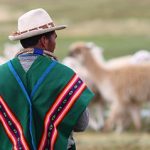
Bolivia Holidays Overview
Landlocked Bolivia has a tumultuous history and an enduring culture dating back to pre Colombian times. It was home to the ancient Tiahuanaco culture, said to be one of the most important predecessors of the Incas. The combination of history, culture and quintessential South American landscapes ensure that our tailor-made Bolivia holidays are unforgettable. Travel […]
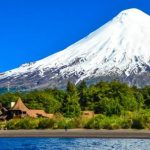
Chile Holidays Overview
Our tailormade Chile holidays take you from the other worldly landscapes of the Atacama desert in the north to the breathtaking landscapes of Patagonia in the south. Squeezed between the Andes and the Pacific Ocean Chile is a diverse and enchanting country. It is a great destination for walking holidays, adventure travel and of course […]

Peru Holidays Overview
Our tailor-made Peru holidays invite you to discover the ancient wonders of the Inca and other civilisations, as well as the country’s diverse wildlife and welcoming people. Besides the world famous ruins of Machu Picchu there are many more Inca sites to be explored as well as dazzling colonial cities and pre-Colombian ruins. Indigenous beliefs […]
Our Blog
 27
Sep
27
Sep
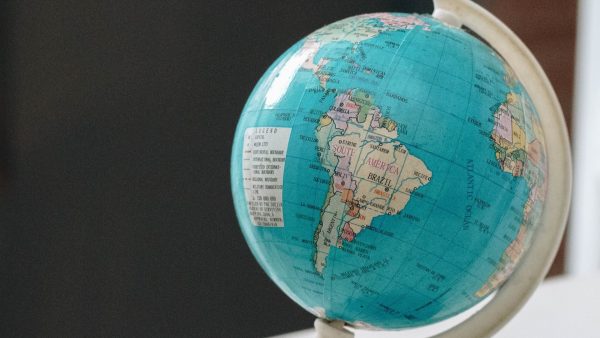
Unveiling the Hidden Gems of South American Beaches
When we think of South American beaches, our minds often conjure images of the famous shores of Copacabana in Brazil or the pristine beauty of the Galapagos Islands. However, the coastal treasures of South America extend far beyond these renowned destinations. In this article, we embark on an immersive journey to explore the hidden gems […]
Read More
 31
May
31
May
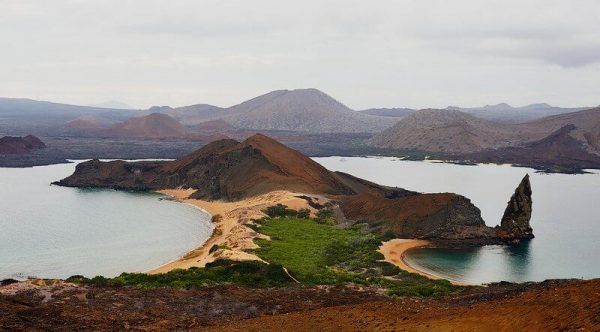
Exploring the Galapagos Islands: Where Evolution Comes to Life
Nestled in the vast expanse of the Pacific Ocean, the Galapagos Islands have captivated the minds of both adventurers and scientists for centuries. It is here, in this remote archipelago, that evolution truly comes to life. With its remarkable array of diverse ecosystems, untouched landscapes, and unique wildlife, the Galapagos Islands offer an unparalleled opportunity […]
Read More
 22
Sep
22
Sep
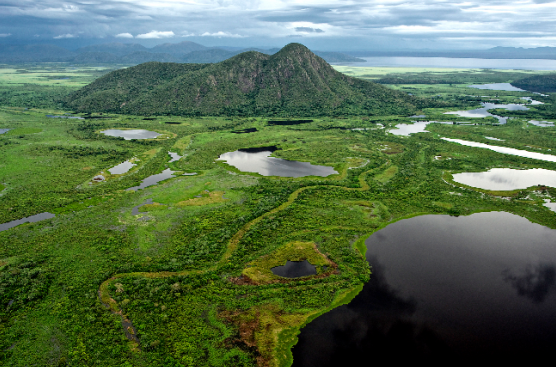
5 best places to visit in South America
South America is colorful; vibrant and everything in between; beat to the eternal drum rhythm; has the famous Carnaval; cool breezes blow across the Andes; fiery Argentinian tangos; etc. South America has some of the most breathtaking scenery and diverse culture in the world. It offers travelers an unforgettable experience. There are plenty of incredible […]
Read More
 24
Aug
24
Aug
Venezuela is open for tourism – Is it safe?
In early 2020, just when my first vacation season was around the corner and my desire to date one of those “Tetonas Latinas” was at its peak, the Venezuelan government ordered a strict shutdown after detecting an increase in COVID cases.
Read More
 6
Nov
6
Nov
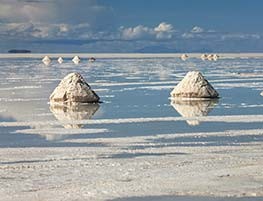
Colonial Towns and Salt Flats Bolivia Tour
Visit colonial towns steeped in a tumultuous history and stay in a hotel made entirely of salt.
Read More
 3
Nov
3
Nov
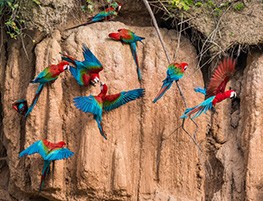
Machu Picchu and Amazon Tour
History and nature combine wonderfully on this trip. Retrace the Incas from Cusco to the Amazon jungle where they fled to from the Spanish.
Read More
 2
Nov
2
Nov
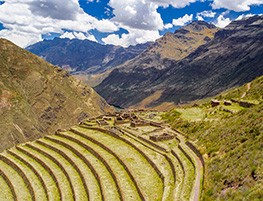
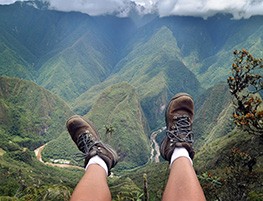
Machu Picchu and Lake Titicaca
Linked by a spectacular journey accross the high plains, Lake titicaca and Machu Picchu offer surprising contrasts in scenery, history and culture
Read More
 29
Oct
29
Oct
Lake Titicaca and Classic Inca Trail Trek
The high Andean plains and Lake Titicaca are stunning and give you a chance to acclimatise before you begin the classic Inca Trail. The Inca’s legacy is far more widespread than just Machu Picchu, we include a tour of the Sacred Valley and Cusco which is a fascinating mix of Inca and Colonial architecture and […]
Read More
 26
Oct
26
Oct
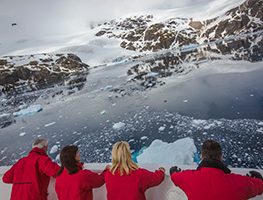
Classic Antarctica Tour
Join this 11 day expedition to feel the magic of the South Shetland islands and Antarctic Peninsula for yourself. Wake up to see huge icebergs reflected in a calm morning sea, experience the sounds and smells of a penguin rookery and watch whales passing by.
Read More
Unveiling the Hidden Gems of South American Beaches
When we think of South American beaches, our minds often conjure images of the famous shores of Copacabana in Brazil or the pristine beauty of the Galapagos Islands. However, the coastal treasures of South America extend far beyond these renowned destinations. In this article, we embark on an immersive journey to explore the hidden gems […]
Read More
Exploring the Galapagos Islands: Where Evolution Comes to Life
Nestled in the vast expanse of the Pacific Ocean, the Galapagos Islands have captivated the minds of both adventurers and scientists for centuries. It is here, in this remote archipelago, that evolution truly comes to life. With its remarkable array of diverse ecosystems, untouched landscapes, and unique wildlife, the Galapagos Islands offer an unparalleled opportunity […]
Read More
5 best places to visit in South America
South America is colorful; vibrant and everything in between; beat to the eternal drum rhythm; has the famous Carnaval; cool breezes blow across the Andes; fiery Argentinian tangos; etc. South America has some of the most breathtaking scenery and diverse culture in the world. It offers travelers an unforgettable experience. There are plenty of incredible […]
Read More
Venezuela is open for tourism – Is it safe?
In early 2020, just when my first vacation season was around the corner and my desire to date one of those “Tetonas Latinas” was at its peak, the Venezuelan government ordered a strict shutdown after detecting an increase in COVID cases.
Read More
Colonial Towns and Salt Flats Bolivia Tour
Visit colonial towns steeped in a tumultuous history and stay in a hotel made entirely of salt.
Read More
Machu Picchu and Amazon Tour
History and nature combine wonderfully on this trip. Retrace the Incas from Cusco to the Amazon jungle where they fled to from the Spanish.
Read More
Machu Picchu and Lake Titicaca
Linked by a spectacular journey accross the high plains, Lake titicaca and Machu Picchu offer surprising contrasts in scenery, history and culture
Read More
Lake Titicaca and Classic Inca Trail Trek
The high Andean plains and Lake Titicaca are stunning and give you a chance to acclimatise before you begin the classic Inca Trail. The Inca’s legacy is far more widespread than just Machu Picchu, we include a tour of the Sacred Valley and Cusco which is a fascinating mix of Inca and Colonial architecture and […]
Read More
Classic Antarctica Tour
Join this 11 day expedition to feel the magic of the South Shetland islands and Antarctic Peninsula for yourself. Wake up to see huge icebergs reflected in a calm morning sea, experience the sounds and smells of a penguin rookery and watch whales passing by.
Read MoreCorporate Lite 2017 | All Rights Reserved. Corporate Lite theme by Flythemes